The short answer
- Switch to robotic if you want walls and waterline cleaned, lower running costs, and independence from your filtration system — the serious mid-range sits around the A$700-1,200 mark.
- Keep suction if your budget is tight, your pool is simple, and your pump has power to spare. It still does the floor honestly for a fraction of the price.
How each one actually works
A suction cleaner plugs into your skimmer or dedicated line and moves with your pump's flow — every leaf it swallows lands in YOUR filter, and every hour it runs is pump time on your power bill.
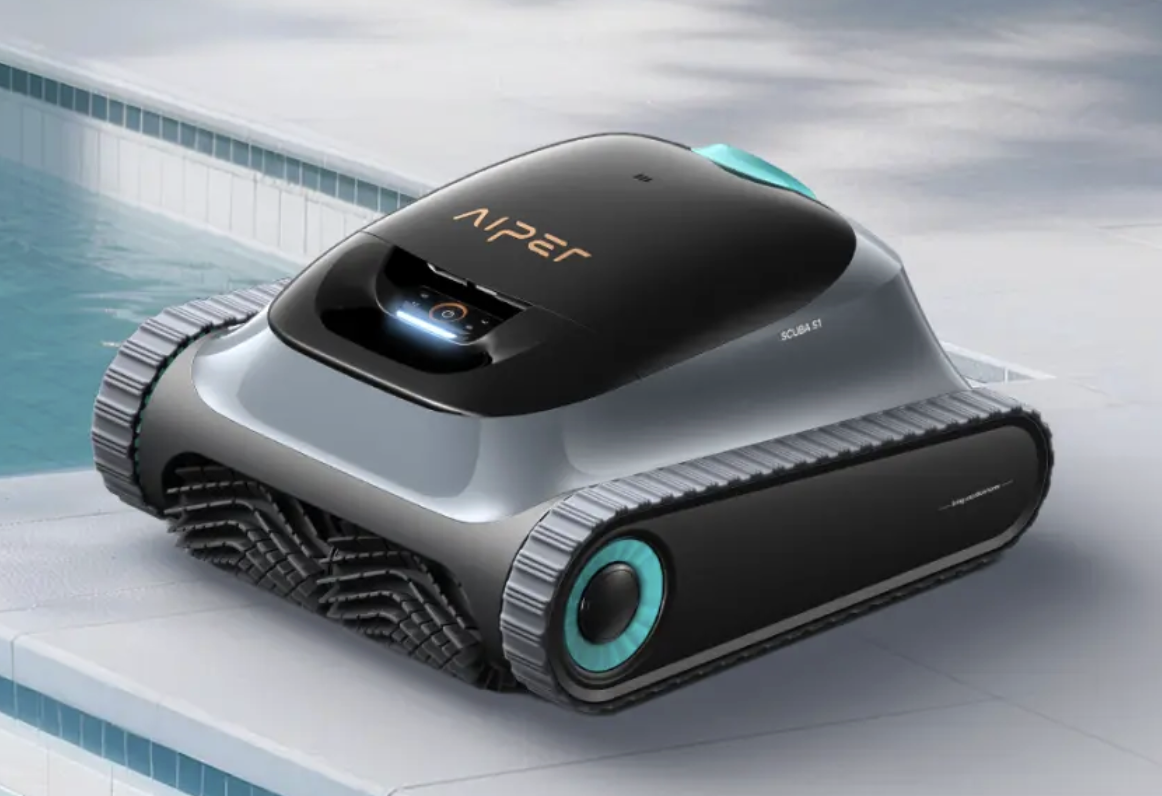
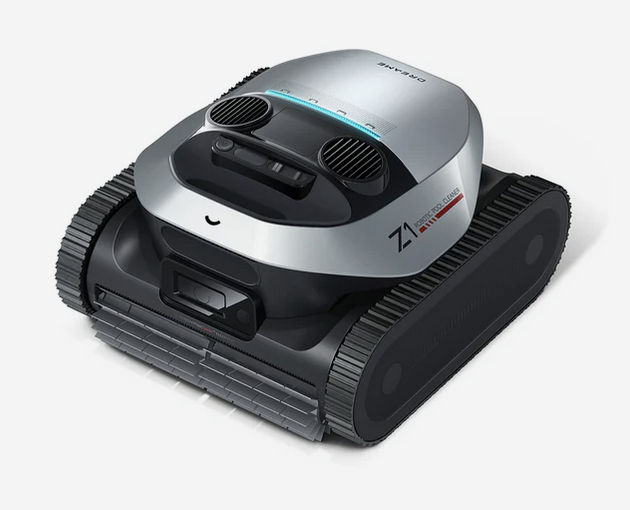
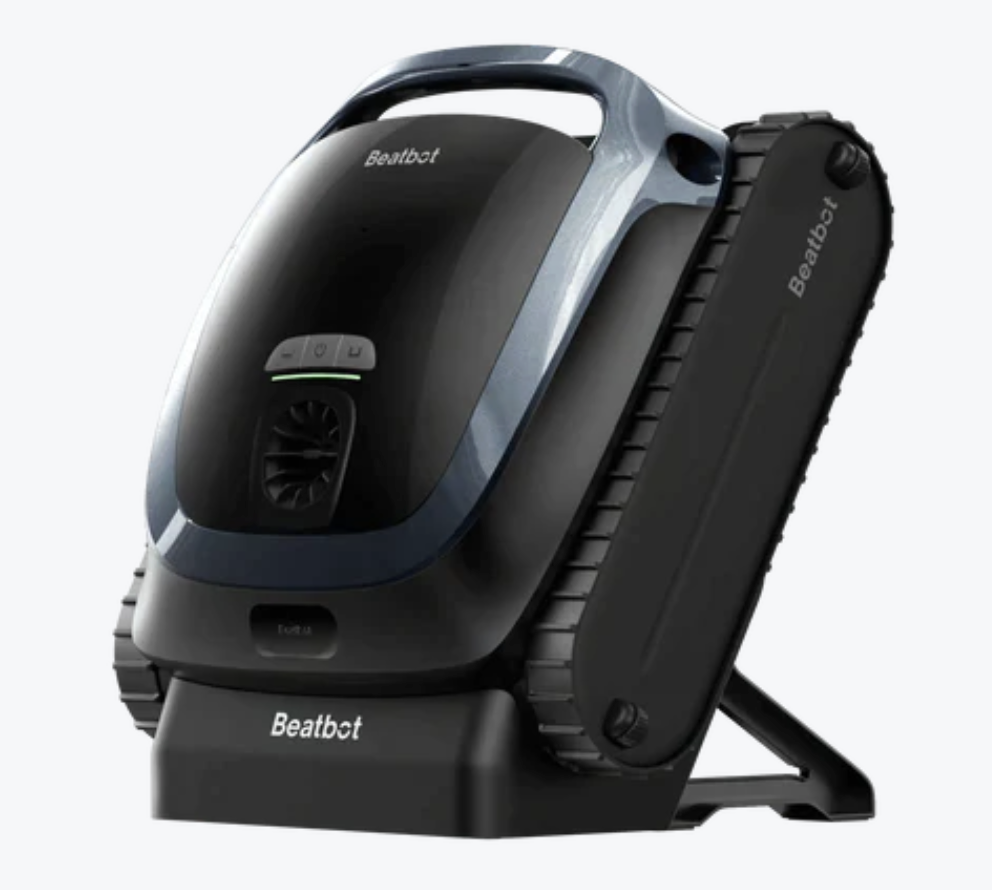
A robotic cleaner is self-contained: its own motor, its own filter basket, plugged into a normal outlet. Your filtration system doesn't even know it's there.
The running-cost math nobody does
Suction cleaners look free to run — they're not. They demand long pump hours (the single biggest energy line of a pool) and extra filter cleaning. A robotic cycle costs cents in electricity.
Over a few seasons, the robotic's higher sticker price claws a lot back — while cleaning walls and waterline the suction unit never touches.
The salt question
Most Australian pools run salt chlorinators, and every robotic model we recommend is salt-rated — just rinse the unit with fresh water after cycles to keep seals and contacts happy. Suction cleaners don't care either way; that round is a draw.
Verdict
- Ready to switch: a cordless robotic in the A$700-1,200 range covers floor, walls and waterline — see our budget and cordless Australian guides for picks.
- Big pool under gum trees: pair a robotic with a surface skimmer, or step up to a large-coverage flagship.
- Not broken, tight budget: your suction cleaner still earns its keep on the floor. Switch when it dies — not before.