The short answer
- Buy cordless if you value convenience, have a small-to-medium pool, and hate dealing with a cord across your deck.
- Buy corded if you have a large or heavily-shaded pool, want maximum cleaning power, and care most about a robot that lasts.
Power and cleaning performance
Corded robots have an edge here. With unlimited power from the wall, they can run stronger pumps and longer cycles without worrying about a battery, which usually means more consistent suction and more thorough cleaning on big or dirty pools.
Cordless models have closed the gap fast. The best 2026 units deliver genuinely strong suction and full floor-wall-waterline coverage — but suction is capped by battery draw, and a cordless robot's last ten minutes aren't always as powerful as its first ten.
Edge: corded, especially for large or debris-heavy pools.
Convenience
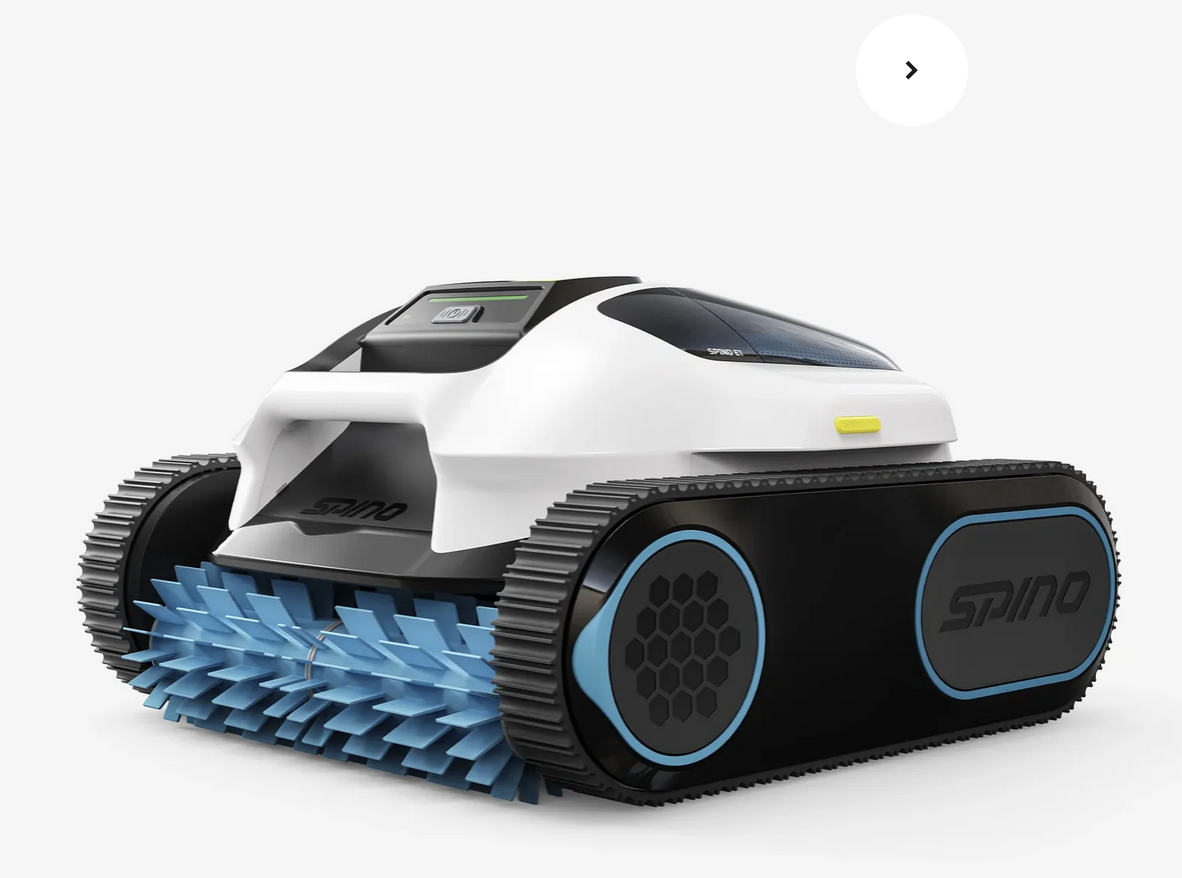
This is cordless's whole reason for existing, and it wins decisively. No cord to untangle, nothing trailing across hot paving, and you can drop it in or pull it out in seconds. Some premium cordless models (like Mammotion's self-docking Spino) even recharge themselves so you barely touch them.
A corded robot means managing a floating cable, which can occasionally tangle on a tight or oddly-shaped pool.
Edge: cordless, clearly.
Runtime and pool size
A corded robot never runs out mid-clean — it'll happily do a 3-hour cycle on a large pool. Cordless units are limited by battery: most cover one to two cleans of a typical residential pool per charge, which is plenty for small-to-medium pools but can fall short on very large ones.
Edge: corded for large pools; tie for small-to-medium.
Reliability and lifespan
Fewer moving constraints generally means longer life, and corded robots — especially legacy brands like Dolphin — have the longest track records in the category. A battery is also a wear item: after a few years it holds less charge, which corded units never face.
That said, the latest cordless brands offer strong warranties (Beatbot's 3 years, for example) that take some of the risk off the table.
Edge: corded, with cordless catching up.
Weight and handling
Both can be heavy when full of water (often 30–40 lb), but you'll lift a corded robot out by hand every time. Cordless self-docking models remove that chore entirely, which matters a lot for older owners or anyone who finds hauling a dripping machine over the coping a pain.
Edge: cordless (especially self-docking models).
Price
Entry-level corded and cordless units start in similar territory. At the top end, premium cordless models — with batteries, docks and AI navigation — run the most expensive of all. Dollar for dollar, a corded robot often gives you more raw cleaning for less.
Edge: corded on value; cordless commands a premium for convenience.
So which should you buy?
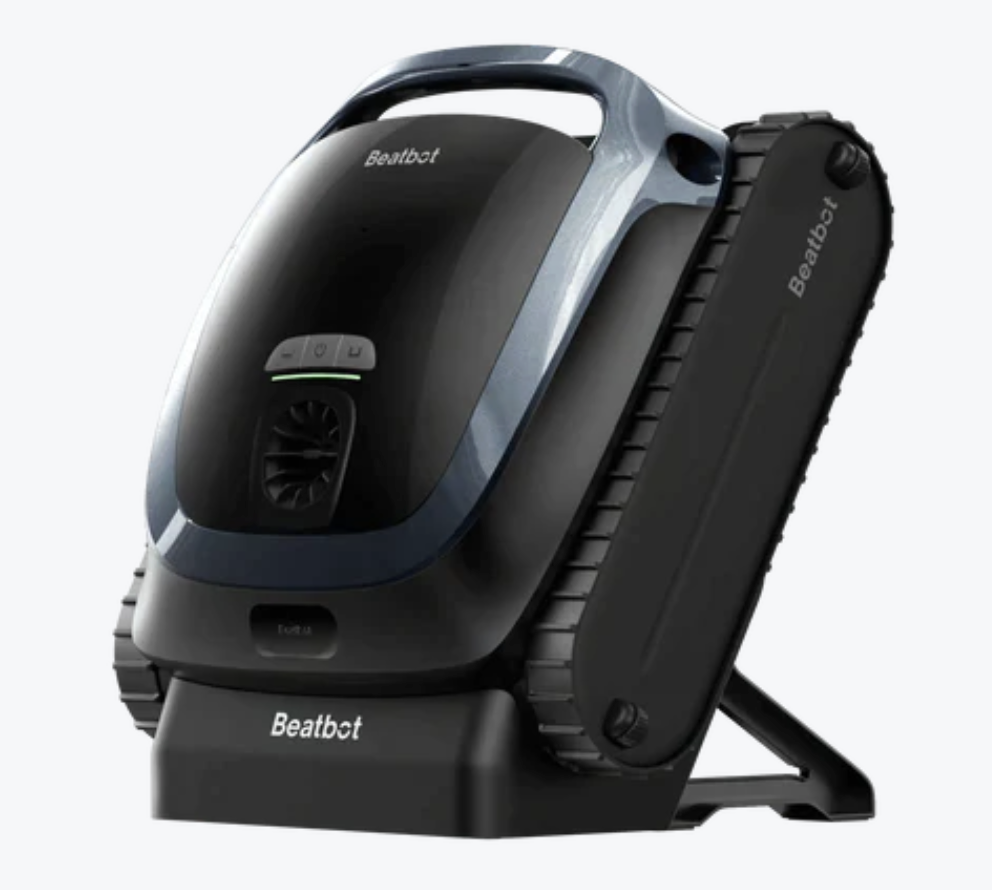
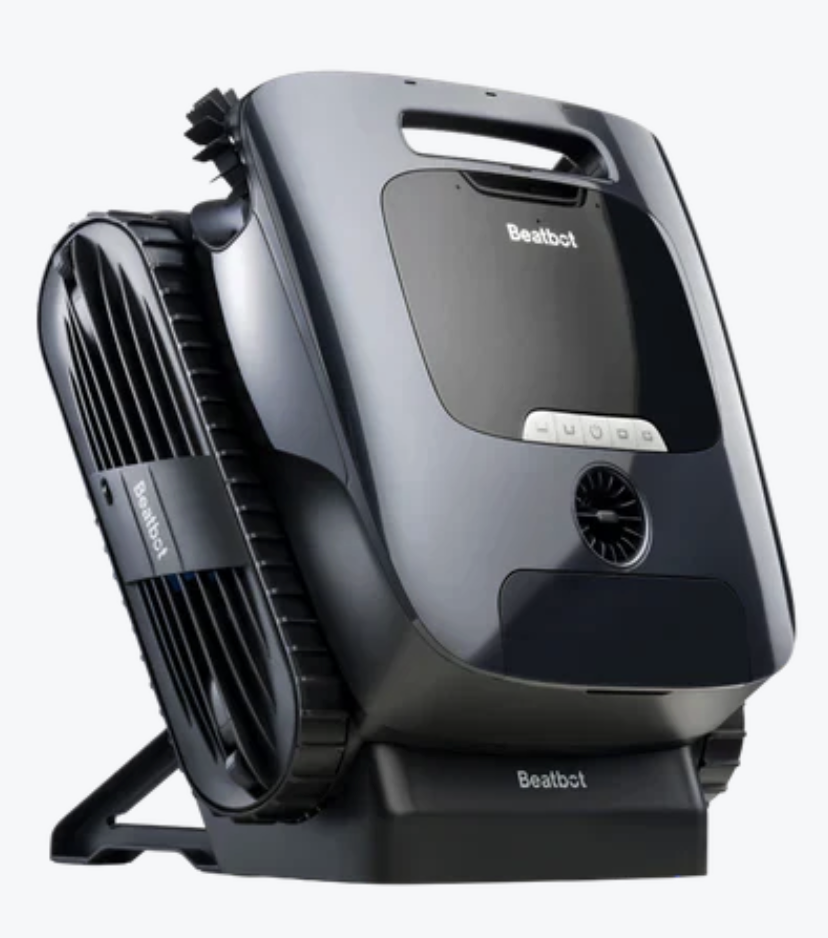
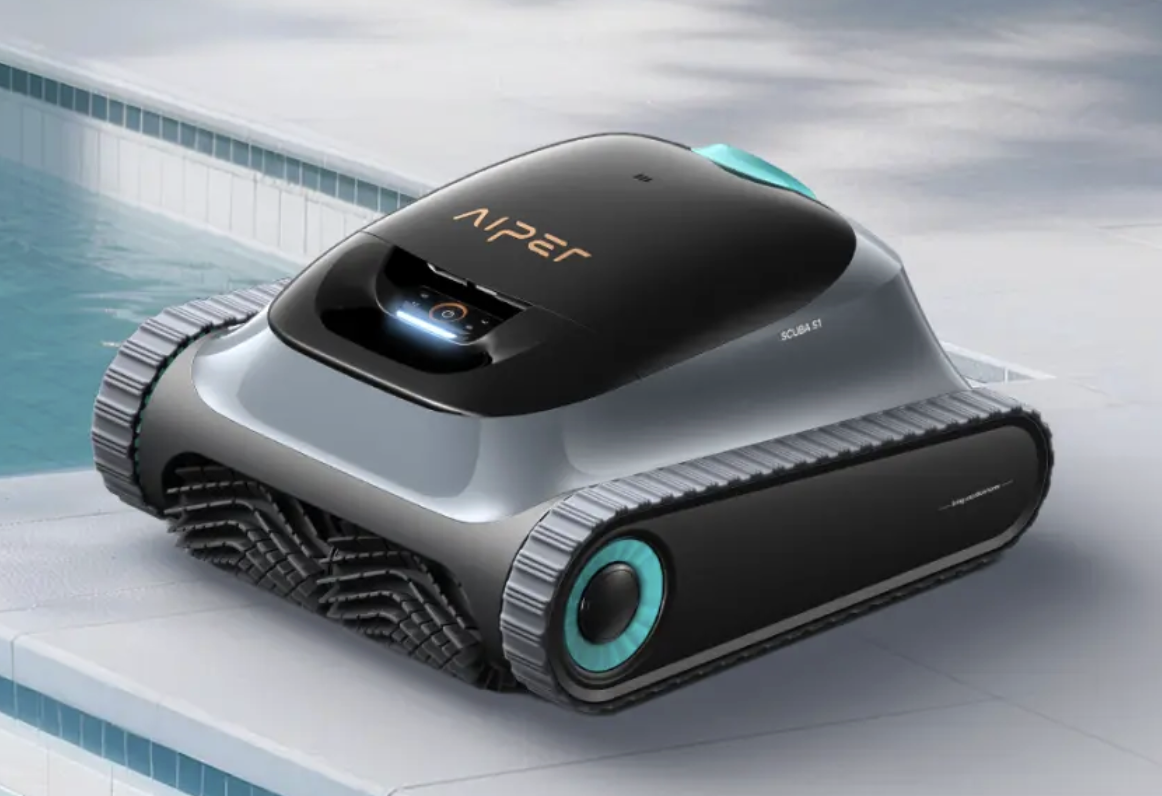
Choose cordless if: you have a small-to-medium pool, want drop-and-go convenience, and the cord genuinely annoys you. Strong picks: Beatbot AquaSense 2 for full coverage, or Aiper Scuba S1 for value. On a tight budget, the Mammotion Spino E1 is the smart entry point.
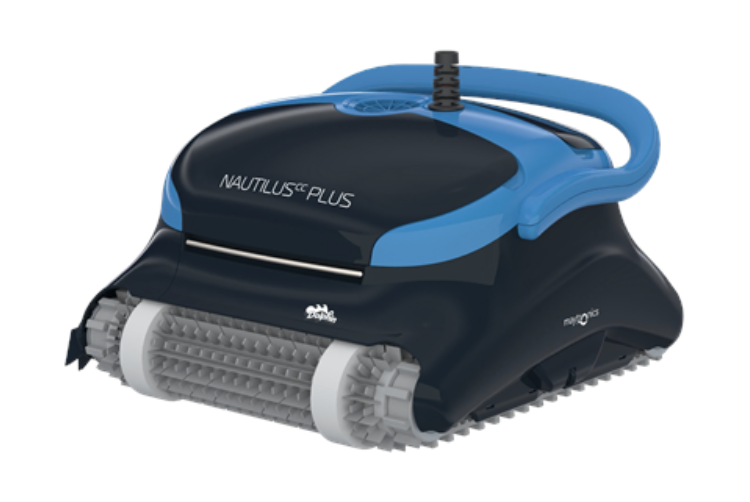
Choose corded if: your pool is large or heavily shaded, you want the most reliable long-term option, and you don't mind a cord. The Dolphin Nautilus CC Plus is the benchmark.